Old Muscat Heritage Walking Tour
Single attraction in Muscat

Hosted by Visit Oman
Hosted in Spanish, English
About
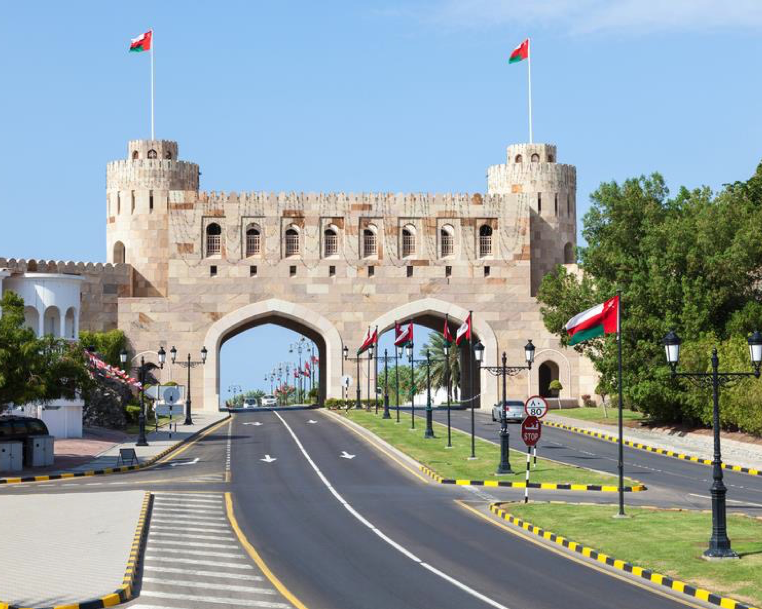
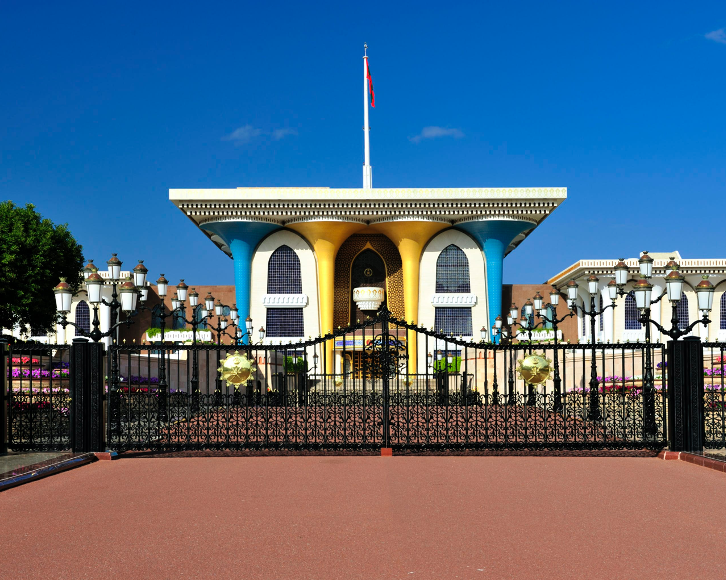
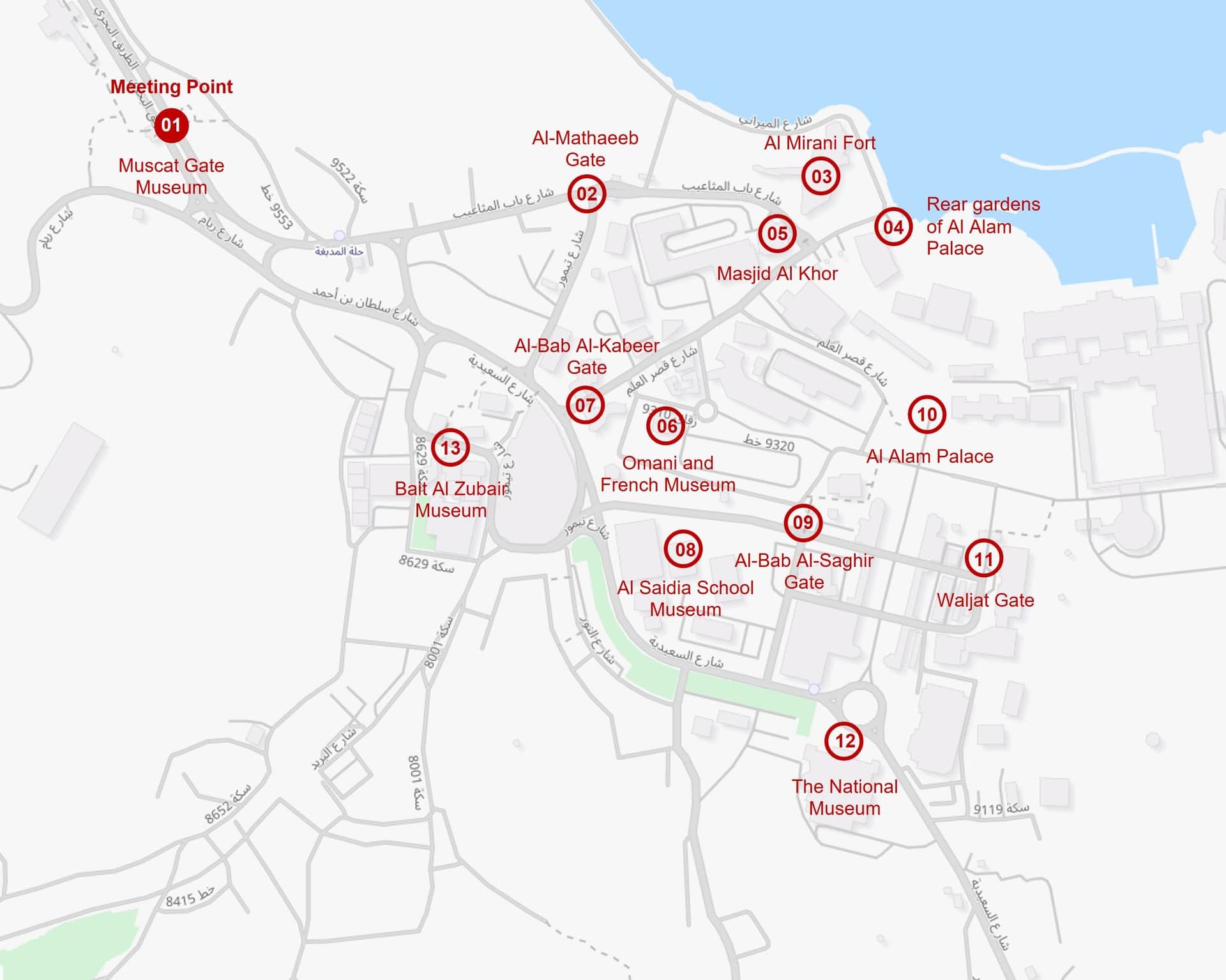
Step back in time as we explore the historic heart of Old Muscat, a walled city that once stood as the gateway between Oman and the world. This leisurely walking tour takes you through ancient gates, majestic forts, elegant palaces, and heritage buildings, each telling a story of the city’s evolution from a fortified harbor town to the ceremonial capital of Oman. Our route begins and ends at the Muscat Gate Museum, tracing the line of the old city walls and offering scenic views of mountains, the sea, and Muscat’s timeless architecture. Itinerary: Muscat Gate Museum (Starting Point) Standing proudly above the road leading into Old Muscat, the Muscat Gate Museum takes visitors through the city's transformation from a trading port to a thriving capital. It showcases rare photos, historical artifacts, and insights into Muscat’s natural environment and ancient settlements. The museum also features manuscripts, traditional crafts, and displays about Oman’s history, hospitality, and trade routes. (Brief stop for orientation and photos – approx. 10 minutes) Walk 3 minutes down towards Al-Mathaeeb Gate. One of the key gateways of the old Muscat fortifications, Al-Mathaeeb Gate showcases how access to the city was once controlled. The Muscat Wall originally enclosed the entire settlement with several gates like this, each opened and closed daily. (Photo stop – approx. 5 minutes) Walk 5 minutes towards the coastal road, leading to Al Mirani Fort. Guarding the western entrance to Muscat’s harbor, Al Mirani Fort is one of two Portuguese-built strongholds dating back to the 16th century. From here, look across the bay to its twin, Al Jalali Fort, and imagine the days when foreign ships anchored below, under watchful eyes of these fortresses. (Scenic view stop – approx. 10 minutes) Walk 3 minutes along the palace road to the rear gardens of Al Alam Palace. The back garden of Al Alam Palace offers a peaceful setting, framed by the twin forts of Al Mirani and Al Jalali. The manicured lawns and walkways provide an excellent view of the palace’s architectural harmony with the natural surroundings. (Photo stop – approx. 5 minutes) Walk 2 minutes to the nearby mosque. Masjid Al Khor Located near the palace, Masjid Al Khor stands out for its pure white façade and elegant simplicity. It serves as the royal mosque for the palace area and beautifully complements the ceremonial surroundings of Old Muscat. (Photo and observation stop – approx. 5 minutes) Walk 2 minutes to the next heritage building - Omani and French Museum Set in a traditional Omani house that once served as the French Consulate, the Omani and French Museum reflects centuries of diplomatic and cultural ties between the two nations. Though not entered on this tour, its architecture and location speak to Muscat’s history of international connection. (Brief stop – approx. 5 minutes) Walk 3 minutes to Al-Bab Al-Kabeer Gate. The “Great Gate” (Al-Bab Al-Kabeer) was once the main entrance for traders and visitors arriving from the sea and Muttrah. This imposing gateway highlights the defensive importance of Muscat’s walls and the authority it represented. (Photo stop – approx. 5 minutes) Walk 4 minutes to the historic school building - Al Saidia School Museum. Established in the 1940s, Al Saidia School was among Oman’s first formal schools, representing the dawn of modern education in the Sultanate. Its traditional Omani architecture and historical significance make it a cornerstone of the nation’s progress story. (Observation stop – approx. 5 minutes) Walk 3 minutes to Al-Bab Al-Saghir Gate. The “Small Gate” (Al-Bab Al-Saghir) provided a minor access point for residents within the city walls. This smaller, less formal gate highlights how the walled city maintained multiple points of entry for different purposes. (Brief stop – approx. 5 minutes) Walk 3 minutes to the front of the Al Alam Palace. This is the ceremonial heart of Muscat. The Al Alam Palace, with its distinctive blue and gold pillars, was built in 1972 as the ceremonial residence of His Majesty Sultan Haitham bin Tariq. Surrounded by perfectly symmetrical gardens and grand avenues, the palace is a masterpiece of modern Islamic architecture. (Main photo stop – approx. 10 minutes) Walk 3 minutes towards Waljat Gate. Another preserved section of the Muscat Wall, Waljat Gate illustrates the city’s once extensive fortification network that extended across the mountain passes. (Brief photo stop – approx. 5 minutes) Walk 4 minutes to The National Museum. Facing Al Alam Palace, the National Museum of Oman is the country’s flagship cultural institution. Even from the outside, the building’s minimalist design, Omani stonework, and grand façade reflect the pride in Oman’s heritage. (Exterior observation – approx. 10 minutes) Walk 3 minutes to Bait Al Zubair Museum. A restored Omani house turned museum, Bait Al Zubair is an excellent example of traditional domestic architecture. Its whitewashed walls, arched windows, and courtyards offer a glimpse of old Muscat’s elegant residential style. (Photo stop – approx. 5 minutes) Walk 5 minutes back uphill to the starting point. Muscat Gate Museum Return to where your journey began — the Muscat Gate Museum. From here, you can look back over the old city, tracing the path you’ve walked through Oman’s historic heart.
1 hour
For all
23.49 OMR per person
23.49 OMR × 1 Tourist
Total 23.49 OMR
23.49 OMR per person
On 2025-12-16
Itinerary
Meeting Point
See Departure Details
Muscat
Duration: 1 hours
Show Details